The Value of Learning Slowly: What Pottery Can Teach Us About Time
Perhaps one of the reasons pottery continues to attract so many people is that it offers something we often struggle to find elsewhere: time. Not more hours in the day, but the feeling of slowing down long enough to become completely absorbed in making something with your own hands. At a time when we have become accustomed to instant results, clay asks us to embrace a different rhythm altogether. We order something online and expect it to arrive the following day, send a message assuming it will be answered within minutes, and measure our days by how much we manage to fit into them. Life often feels as though it is moving at an ever-increasing pace, leaving very little room for patience or quiet reflection.
Pottery offers a gentle contrast to that way of living. It is a craft that cannot be hurried because every stage of the process unfolds in its own time. Clay must dry before it can be fired, each firing requires patience, and glazes reveal their true character only after they have passed through the kiln. However carefully we plan or however eager we are to see the finished piece, there is no shortcut that can replace the natural progression of the material. Rather than encouraging us to work faster, pottery invites us to slow down and appreciate that some processes simply cannot, and perhaps should not, be rushed.
Learning Through Time
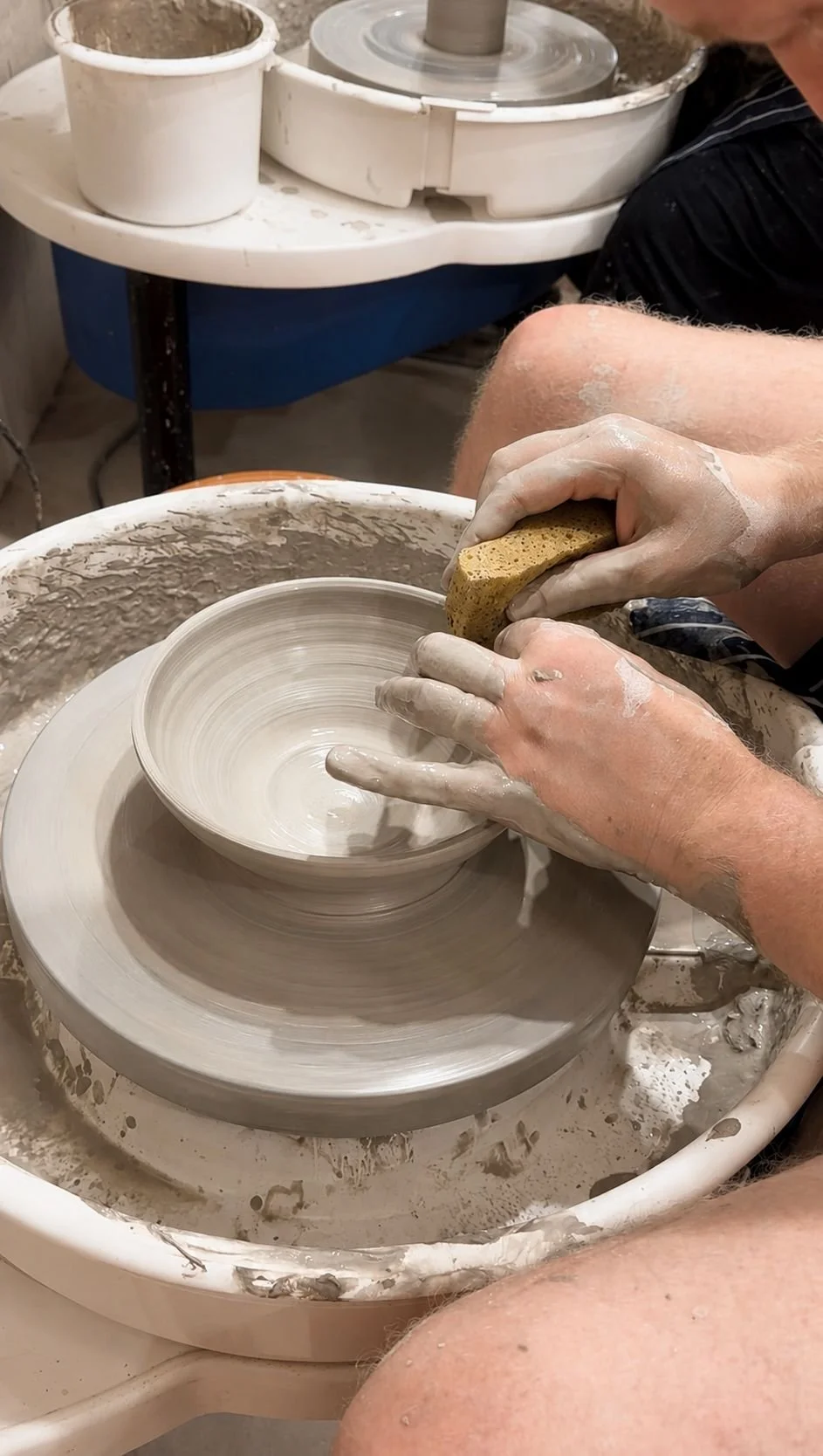
This slower pace becomes especially noticeable in the way we learn. Many people arrive at their first pottery class hoping that after a few sessions they will be confidently throwing elegant bowls or perfectly balanced vessels. While every student progresses differently, most soon discover that the real satisfaction lies elsewhere. Improvement happens gradually, often so gradually that it is almost invisible from one week to the next. A piece may feel slightly better centred than the previous one, a handle may sit more comfortably in the hand, or a form may become just a little more refined. These small moments of progress rarely happen all at once, yet over time they accumulate into genuine confidence and skill.
Spend time in a working pottery studio and certain patterns begin to emerge. During the first few weeks, students naturally focus on the finished piece. They want to know whether their bowl is symmetrical or whether a cylinder is perfectly centred. As the weeks pass, however, the conversation begins to change. Students become less concerned with achieving perfection and more interested in understanding the material itself. The rhythm of working with clay becomes just as rewarding as the finished object.
Returning Week After Week
Perhaps this is one of the reasons why so many people continue attending weekly pottery classes long after they have learned the basics. The studio becomes more than a place to make ceramics. It offers a welcome pause within the week, a space where the usual pressures of work, deadlines and constant notifications begin to fade into the background. For a few hours, attention shifts entirely to the feel of the clay, the movement of the hands and the quiet concentration that making demands. It is a rare opportunity to be fully present without feeling the need to hurry towards the next task.
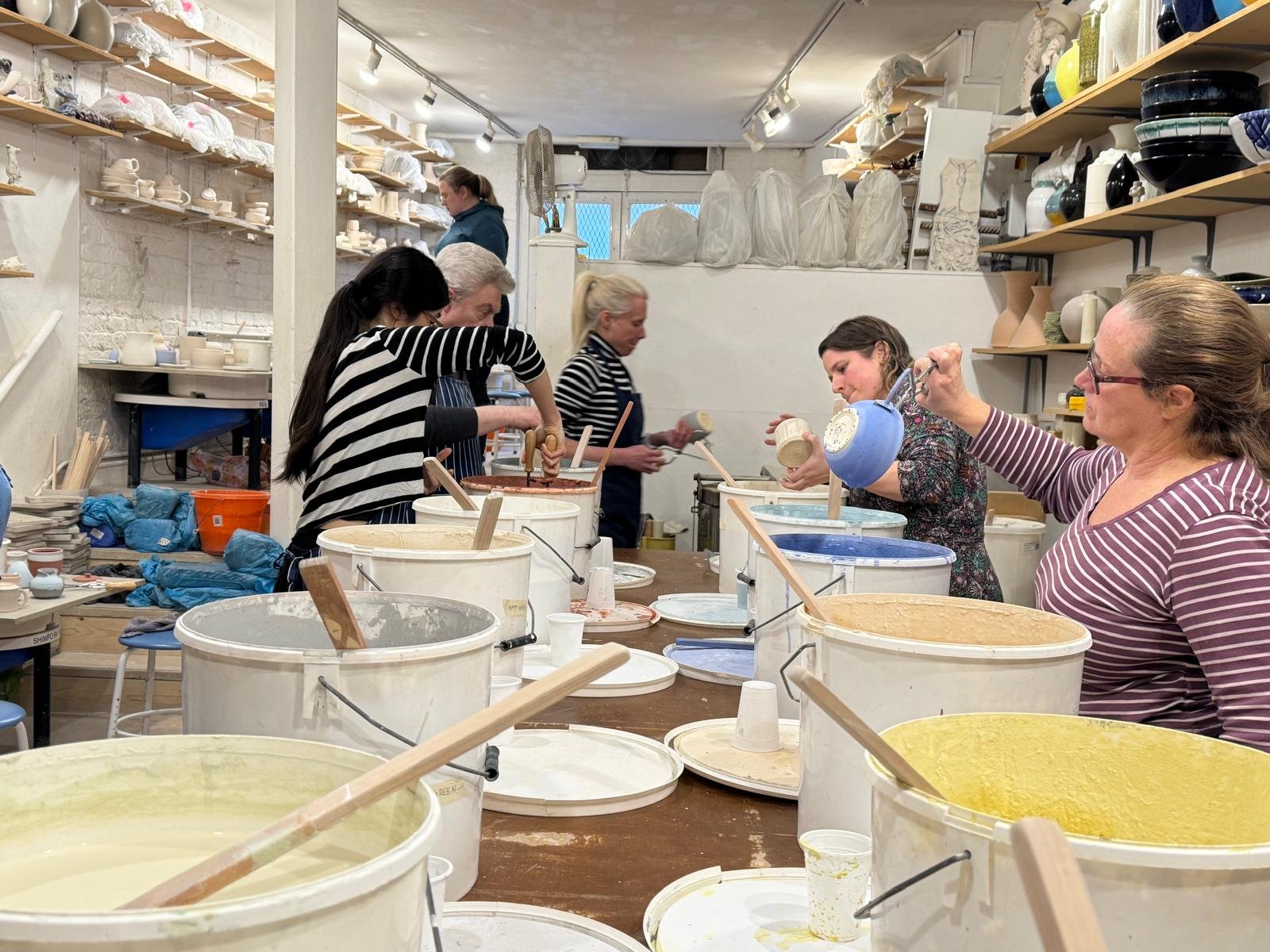
This is something we often see in our six-week pottery courses at Ceramics Sculpture Studio in West Hampstead. The classes are open to everyone, from complete beginners discovering clay for the first time to those with previous experience who simply wish to refine their skills. Learning alongside people at different stages of their creative journey creates a welcoming atmosphere, where every student develops at their own pace while receiving individual guidance throughout the course.
Over the years, the six-week course has become the one many students return to time and again. It is not unusual for someone to complete the course several times, each visit bringing new challenges, fresh ideas and a deeper understanding of the material. As confidence grows, many students naturally continue their creative journey by joining our Practice Sessions, where they enjoy the freedom to develop their own work while continuing to learn within a supportive studio environment.
A Creative Pause in West Hampstead
In a busy part of London such as West Hampstead, where daily life often revolves around trains, meetings and packed schedules, spending an evening in a pottery studio can feel surprisingly restorative. The pace is different. Time is measured not by emails or appointments but by the gradual progress of clay taking shape on the wheel, the careful construction of a hand-built form or the anticipation of opening the kiln to discover how glazes have transformed during firing.
This quieter rhythm is perhaps what draws so many people back. Pottery asks for patience, observation and a willingness to accept that every piece teaches something, whether or not it turns out exactly as planned. Rather than rewarding speed, it rewards curiosity, persistence and the confidence to keep exploring.
What Clay Leaves Us With
Perhaps this is why students continue returning to pottery, even after years of making. There is always another form to explore, another technique to understand and another opportunity to slow down and pay closer attention. Working with clay is not simply about learning how to make a bowl, a mug or a vase. It is about discovering that creativity develops gradually, through repetition, observation and time.
In many ways, this may be pottery’s most valuable lesson. Beyond learning how to centre clay or shape a form, it encourages us to reconsider our relationship with time itself. In a culture that constantly celebrates speed and efficiency, working with clay reminds us that some of life’s most rewarding experiences cannot be measured by how quickly they are completed. They reveal themselves patiently, one carefully considered piece at a time.
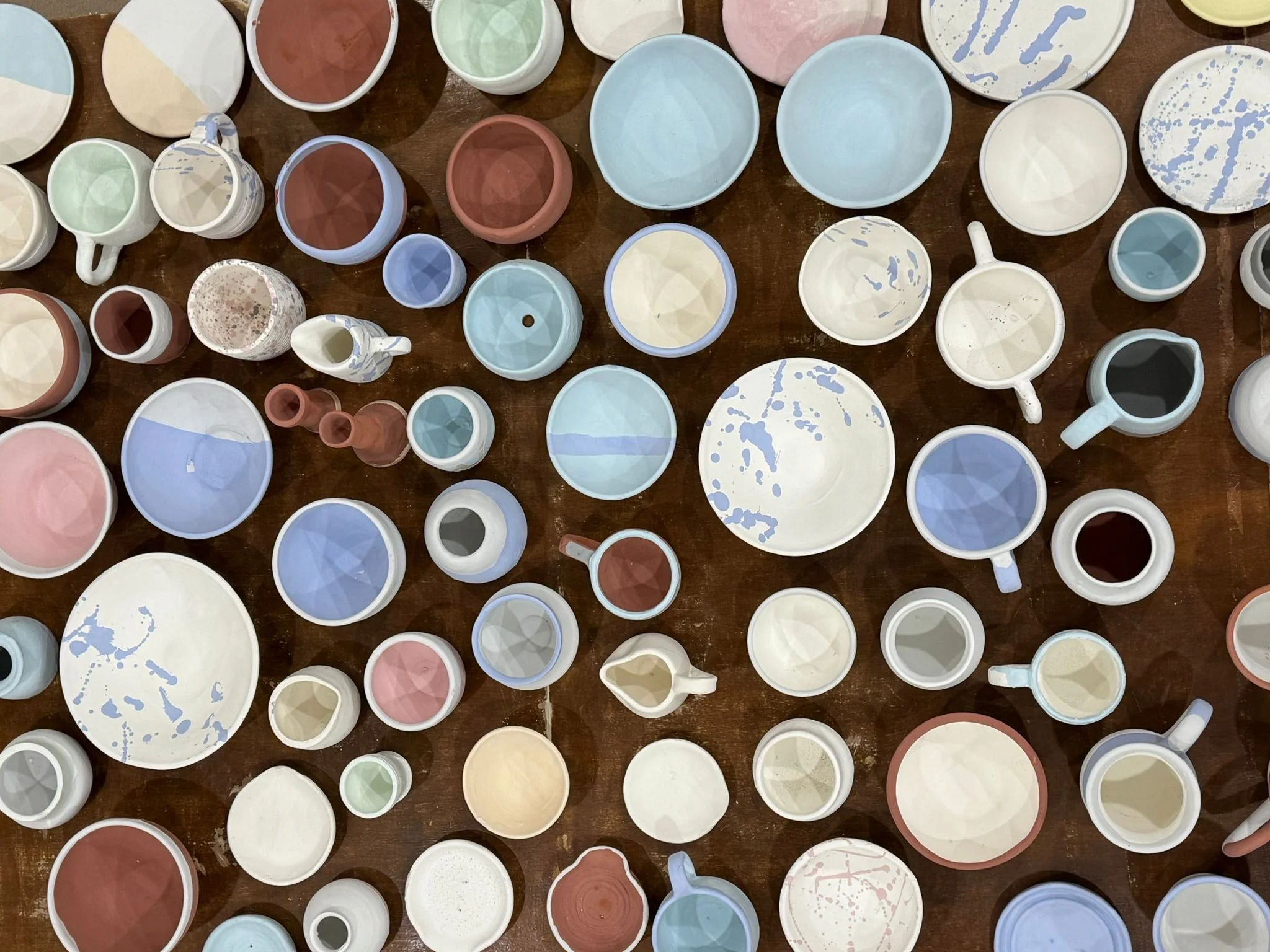
If you've been meaning to make time for something creative, our September courses are now open for booking.