Hand-Building vs Wheel Throwing: Which Pottery Class Is Right for You?
If you're searching for pottery classes in London, you may be wondering whether to start with hand-building or wheel throwing. Both techniques are fundamental to ceramics, yet they offer very different creative experiences and ways of working with clay.
Some beginners are drawn to the calm, tactile process of shaping clay by hand, while others are fascinated by the movement, rhythm, and challenge of the pottery wheel.
At Ceramics Sculpture Studio in West Hampstead, our artist-led pottery classes introduce students to both techniques, helping beginners discover which approach best suits their interests and creative goals. Whether you're looking for pottery classes near you, considering a pottery course in London, or simply curious about trying ceramics for the first time, understanding the differences between hand-building and wheel throwing can help you choose the right class.
In this guide, we'll explore how each technique works, the skills you'll develop, and which pottery class may be the best place to begin your ceramics journey.
What Is Hand-Building in Pottery?
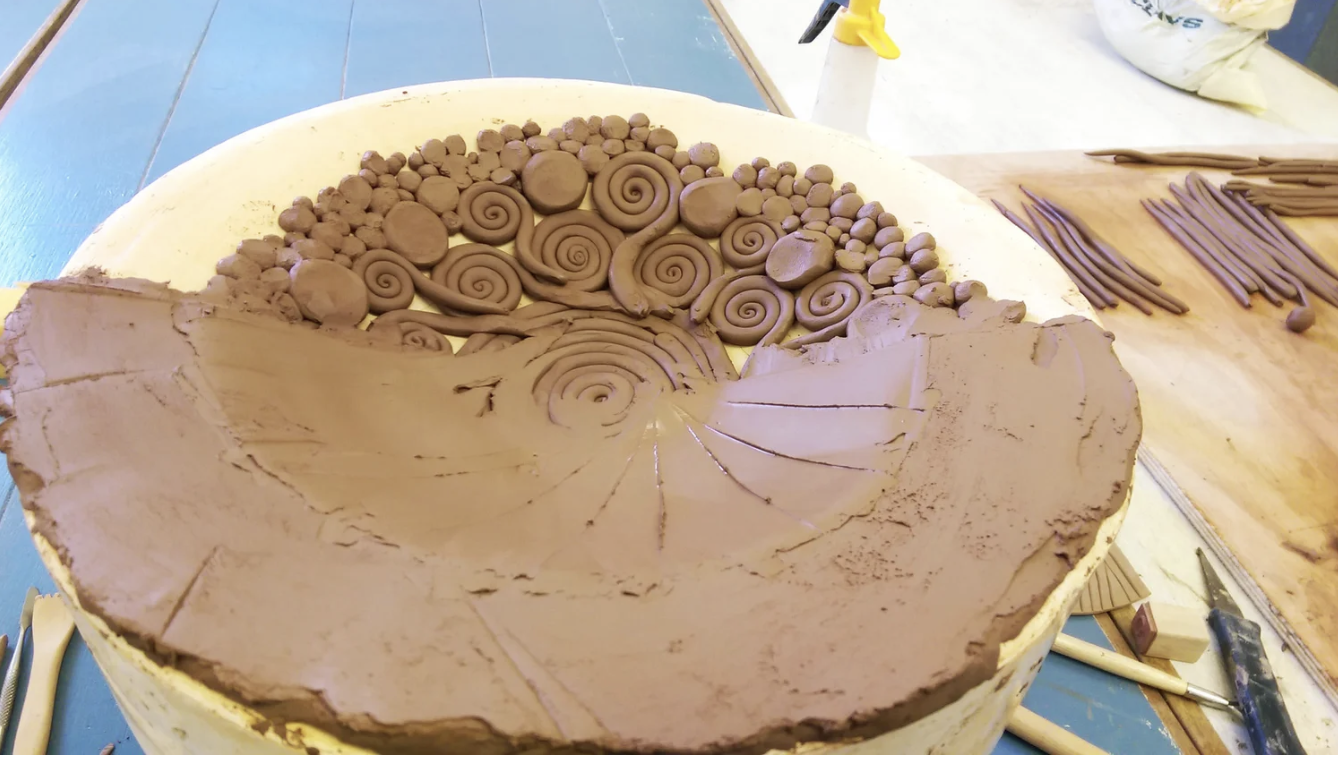
Hand-building is one of the oldest and most expresive ceramic techniques. Instead of using a pottery wheel, clay is shaped by hand using simple tools and techniques. This approach offers a slower, more tactile way of working, allowing makers to focus on form, texture, and creative expression.
Common Hand-Building Techniques
In many beginner pottery classes, students are introduced to a range of hand-building techniques, including:
Pinching
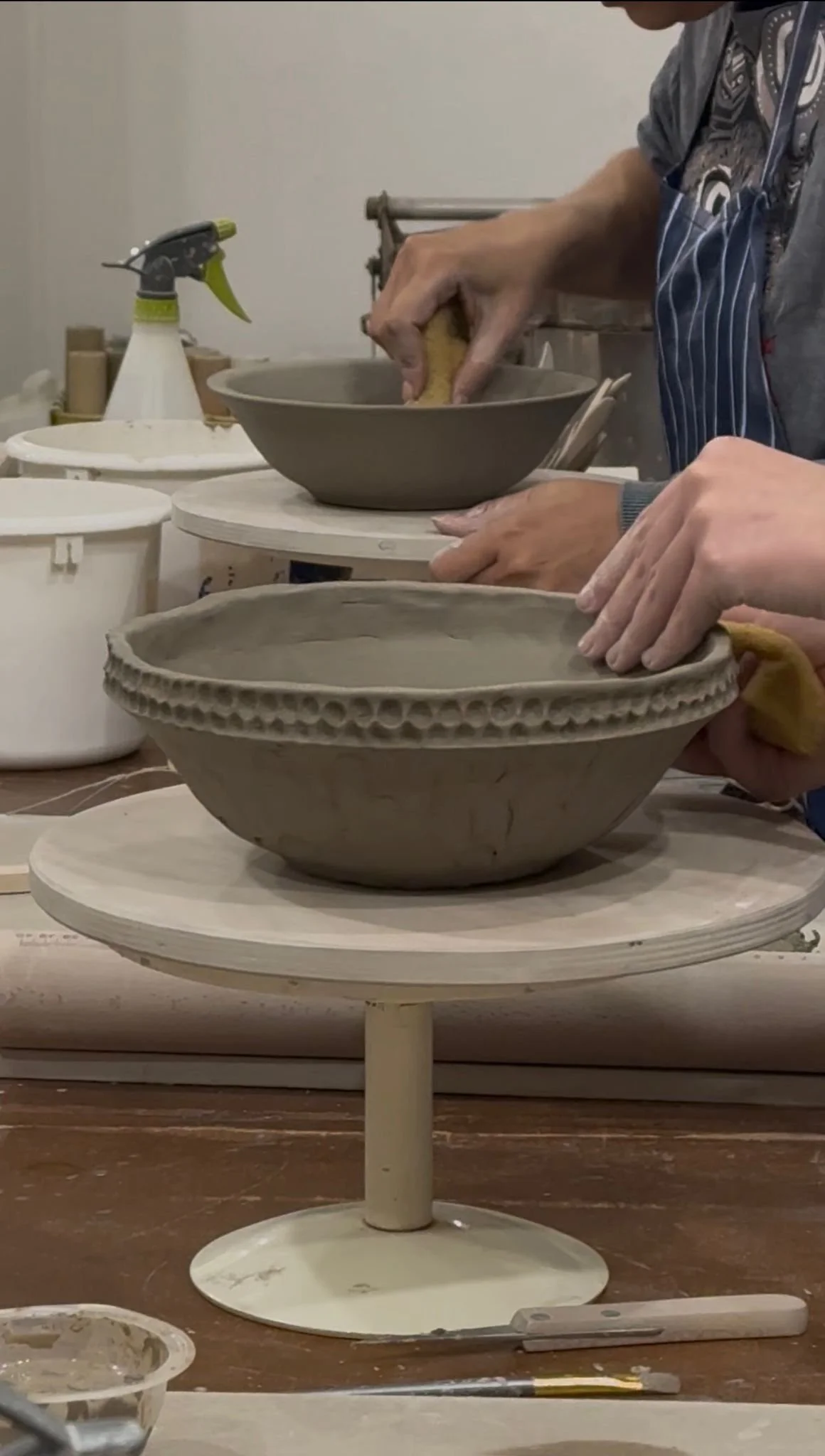
A simple yet effective technique where clay is shaped by gently pinching it between the fingers to create bowls, cups, and small sculptural forms.
Coiling
Long coils of clay are stacked and blended together to build larger vessels, sculptural pieces, and forms with unique textures and character..
Press Moulding
Clay is pressed into or over moulds to create consistent shapes, making it ideal for dishes, plates, and decorative pieces.
These techniques form the foundation of many ceramic courses and workshops, allowing beginners to quickly gain confidence while exploring the creative possibilities of working with clay.
Why Many Beginners Start With Hand-Building
Hand-building is often the most approachable way to begin working with clay because:
It is easy to learn with no previous experience
It encourages creative experimentation
It allows you to make both functional and sculptural work
It builds a strong understanding of clay behaviour
Many students discover that hand-building is not only creative and rewarding, but also a relaxing way to slow down, focus, and enjoy the process of making by hand.
Explore our Hand-Building Pottery Classes
What Is Wheel Throwing?
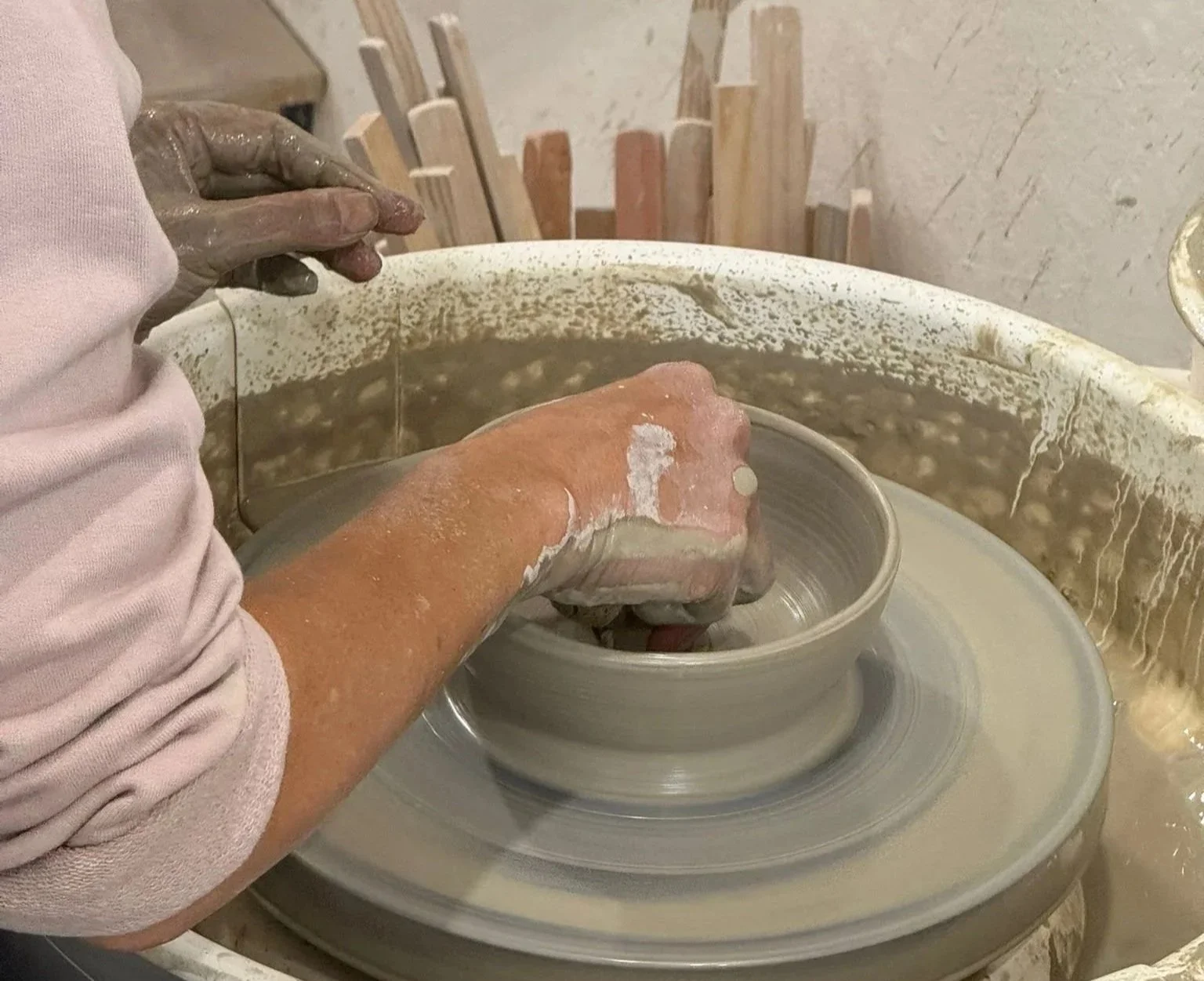
Wheel throwing is the technique most people associate with pottery. Clay is centred on a spinning wheel and shaped using a combination of hand movements, pressure, and control. While learning to throw on the wheel takes practice and patience, many students find the process both engaging and highly rewarding.
What You Learn in Wheel Throwing Classes
In a typical wheel-throwing pottery class, you will learn how to:
Centre clay on the wheel
Pull walls to create cylindrical forms
Shape bowls, cups, and vessels
Trim and refine your work
Apply glazes to finished pieces
As your skills develop, you'll gain a deeper understanding of form, proportion, and the unique properties of clay. Although wheel throwing can be challenging at first, many students are drawn to the rhythm of the wheel and the satisfaction of transforming a lump of clay into a functional ceramic piece.
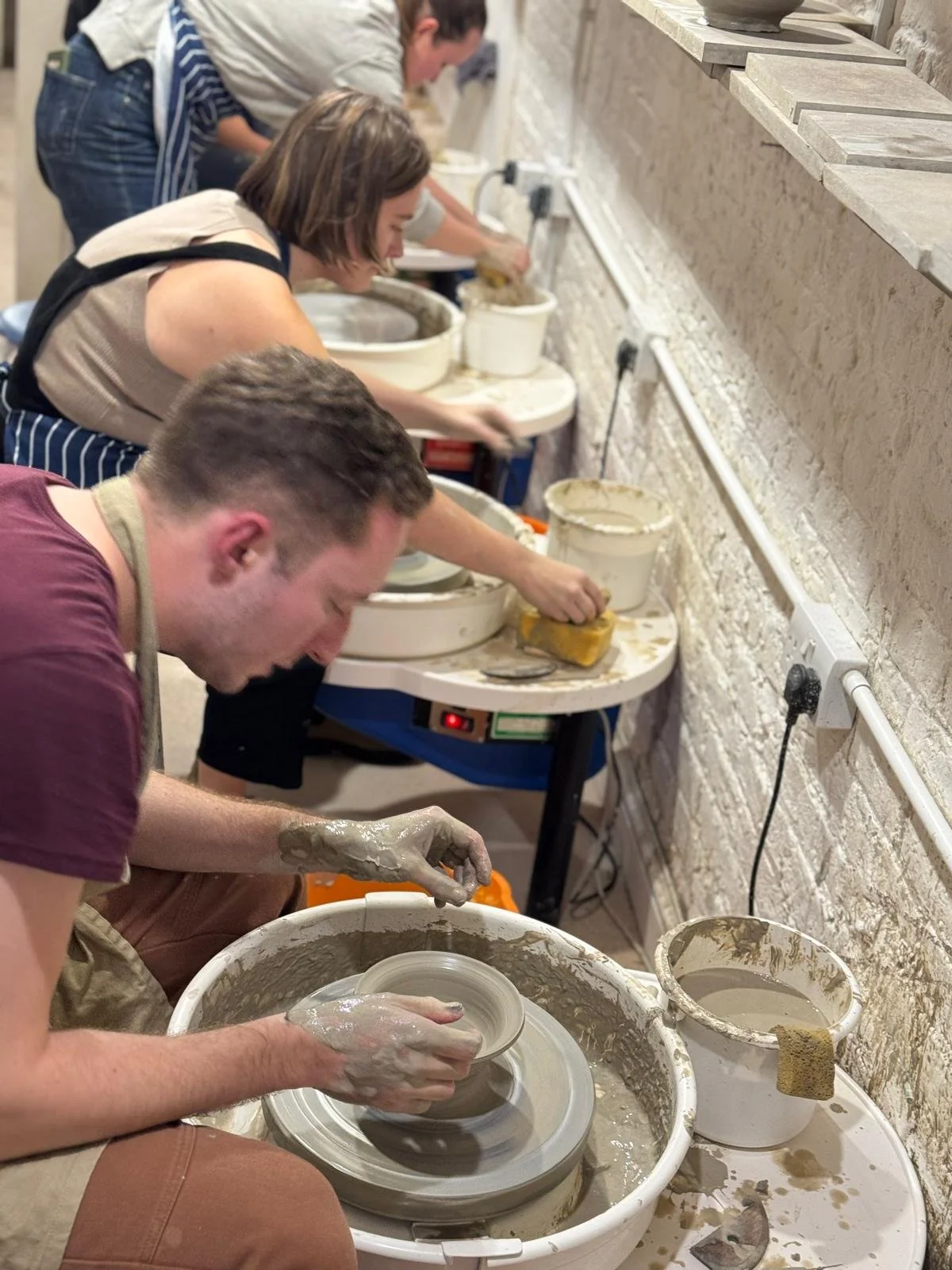
The Joy of the Pottery Wheel
For many people, throwing on the pottery wheel becomes one of the most enjoyable aspects of working with clay. As the wheel spins, you develop a sense of rhythm, timing, and control, gradually transforming a simple lump of clay into a balanced and functional form.
The process requires focus and patience, which is why many students describe wheel throwing as both challenging and deeply satisfying. With practice, you begin to understand how small adjustments in pressure and movement can shape the clay in different ways.
This technique is particularly popular for creating functional pottery, including:
Cups
Bowls
Plates
Vases
Whether you're interested in making everyday tableware or developing your ceramic skills, wheel throwing offers a rewarding and hands-on creative experience.
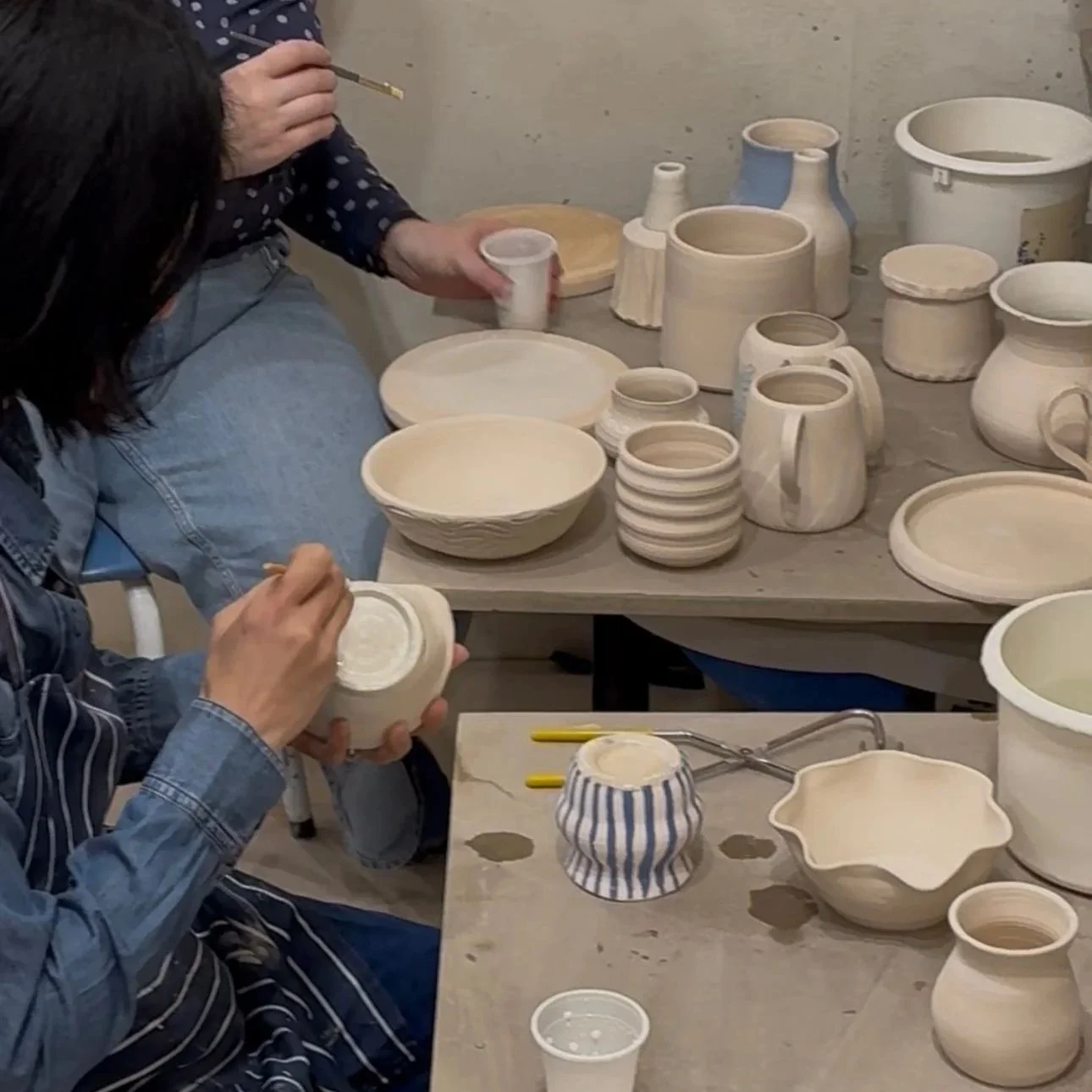
Hand-Building vs Wheel Throwing: Key Differences
Hand-Building
Slow, tactile and sculptural
Ideal for beginners
Encourages creativity and experimentation
Suitable for both functional and sculptural work
No pottery wheel required
Allows for organic and unique forms
Wheel Throwing
Dynamic and rhythmic process
Requires practice and coordination
Ideal for creating symmetrical forms
Commonly used for cups, bowls, and vases
Develops precision and control
Uses a pottery wheel
Neither technique is better than the other—they simply offer different creative experiences. Many ceramic artists combine both hand-building and wheel throwing in their practice to expand their creative possibilities.
Which Pottery Class Should You Choose?
If you are completely new to ceramics, the best option is often a beginner pottery course that introduces both hand-building and wheel throwing techniques.
At Ceramics Sculpture Studio, our beginner courses are designed to give students a well-rounded introduction to working with clay. During the course, you'll have the opportunity to explore:
Hand-building techniques
An introduction to the pottery wheel
Surface decoration and glazing
This balanced approach allows you to develop practical skills, gain confidence with clay, and discover which techniques you enjoy most. Whether you're interested in creating sculptural forms or functional pottery, you'll be supported throughout your creative journey in a welcoming studio environment.
Explore Our Beginner Pottery Classes
Why Take Pottery Classes at Ceramics Sculpture Studio?
Ceramics Sculpture Studio is an artist-led pottery studio in West Hampstead, London, offering small-group pottery classes and workshops for beginners and those looking to develop their ceramic skills.
Our classes focus on:
Developing practical ceramic skills
Encouraging creativity and self-expression
Learning traditional hand-building and wheel-throwing techniques
Exploring surface decoration and glazing
Working in a calm, supportive, and inspiring studio environment
Led by professional ceramic artist Cosmin Ciofirdel, our courses are designed to help students build confidence with clay while enjoying the creative process. Whether you're interested in making functional pottery, exploring sculptural forms, or simply trying something new, you'll receive guidance and support throughout your learning journey.
Whether you're searching for pottery classes in London, pottery classes near me, or a creative activity in West Hampstead, our welcoming studio offers the perfect place to discover the joy of working with clay.
Ready to Start Your Pottery Journey?
If you're curious about ceramics and would like to start working with clay, our beginner pottery classes offer a welcoming and supportive place to begin.
You'll have the opportunity to explore hand-building techniques, try the pottery wheel, learn surface decoration and glazing, and create your own unique ceramic pieces.
Whether you're looking for a one-day pottery workshop, a beginner pottery course, or a longer wheel-throwing class, Ceramics Sculpture Studio offers a range of pottery classes in London designed to help you build confidence, develop new skills, and enjoy the creative process.
Join our artist-led studio in West Hampstead and discover the rewarding experience of making with clay.